By Dennis and Claudia Moberly
When you look around at Middleton these days, it might be hard to imagine how agricultural the small town once was. Most families made their living by farming or ranching, or in jobs that centered around those endeavors, like trucking produce, hauling milk, or repairing farm machinery.
Here are a few reminders of that time. Former State Controller Donna Jones grew up in Middleton after migrating from the eastern Colorado plains. In 2010, then-Gazette Publisher Becky Foote produced a book called: Through the Generations: What Middleton Has Meant To
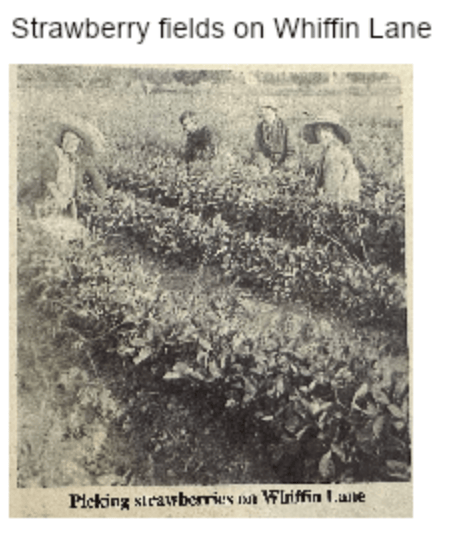
Me. In it, Donna Jones writes this: “Still rebounding from the Great Depression, my father and mother scraped together enough money to purchase sight unseen sixteen acres and a modest home off Whiffin Lane. My dad bought a ramshackle truck and we traveled nearly 1,000 miles to our new home in Middleton . . . to be closer to family and so my brother, “Doc” could attend the
College of Idaho. I was eleven years old. In the summers, I picked strawberries on the Matsumoto’s farm, which was just down the road from our house on Whiffin Lane. In the 1950’s, Middleton was home to about 500 people.”
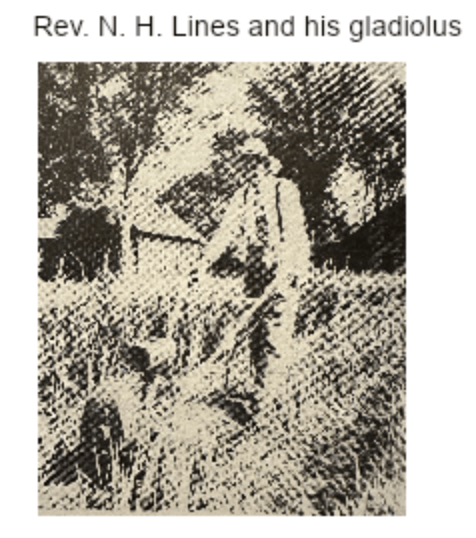
A popular social activity in the 1940’s was the Garden Club. One of its first projects was landscaping the Cemetery. Middleton Methodist pastor Rev. N. H. Lines, cultivated gladiolus plants in his spare time. He was a nationally-known gladiolus grower, developing 300 new varieties and sponsoring a number of gladiolus shows.
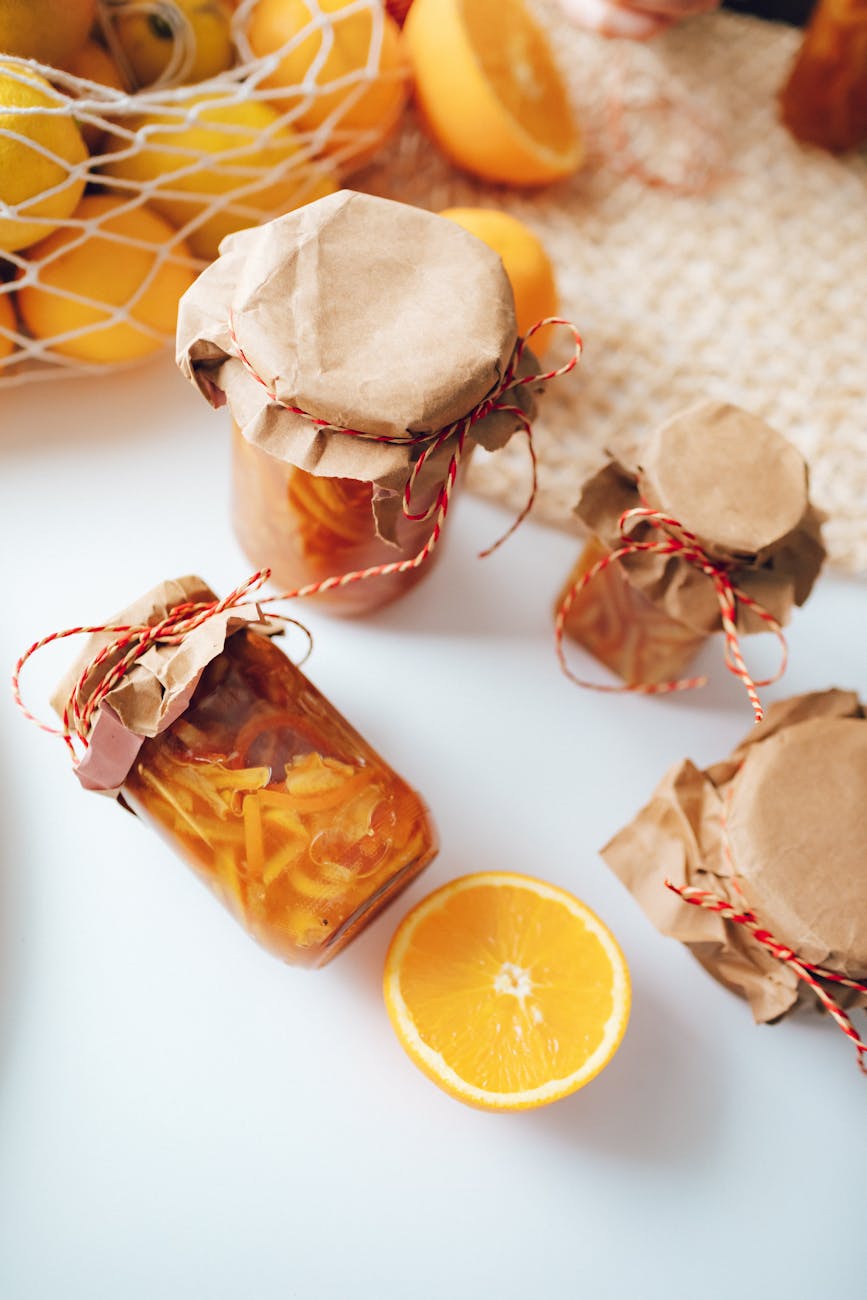
A generation earlier, Loy and Susie Lee ran a chicken farm and hatchery on the northwest corner of West 2nd Street and Jasper starting in 1923. They sold thousands of chicks during their time in business, and were recognized for producing excellent poultry. The area south of Heights Elementary was all orchards. The site of 44 Livestock and Pet Supply was once a packing shed. It sat on the Interurban rail line, which made a convenient shipping point for the large amount of fruit grown nearby. Middleton was well-regarded for its fine fruit. Middleton Fruit Products Company was a thriving business one hundred years ago. Located near what is now the Fire Station, owners E. L. Alter and J. M. Stark made cider, vinegar, and other fruit products.
As the town grows, much of that agricultural basis has disappeared.Homes have replaced orchards, city streets run where farms once stood, and going to work is a longer commute than stepping outside your backdoor. A town of 500 is now closer to 15,000, and local supermarkets supply our fruit and poultry. Times change, communities develop, and new families come to call Middleton home. But it is sometimes fun to look back and see a glimpse of what used to be.



 Lee Moberly Museum